
World Mental Health Day
October 10th is World Mental Health Day! The theme this year is “Lived Experiences Heard: Real Voices, Real Change”. This theme highlights the stories of individuals who have had firsthand experience with mental health challenges and a personal journey to recovery.
World Mental Health Day is also an opportunity to think about all the ways you care for your own mental health now and new ways you could adopt.
Here are some core routines that promote mental health:

As always, if you have questions, contact
Anatha Atthar, Kinship Navigator: anatha@familyess.org
Consistent Sleep Schedule: Go to bed and wake up at the exact same time every day to support your body’s circadian rhythm and regulate your mood.
Morning Anchor: Start your day with a simple, positive habit—such as drinking a glass of water, stretching lightly, or stepping into natural sunlight before checking your phone.
Daily Movement: Engage in at least 10 to 15 minutes of physical activity, like a brisk walk or yoga, to release feel-good brain chemicals like serotonin and dopamine.
Nourishing Meals and Hydration: Pencil in regular times for balanced meals and water breaks to prevent low blood sugar and dehydration from draining your energy and mood.
Mindfulness Breaks: Pause for two to five minutes during the day to practice deep breathing, box breathing, or a quick gratitude list to lower cortisol levels.
Digital Boundaries: Schedule specific screen-free breaks or a digital detox to lower anxiety, improve sleep quality, and avoid sensory overload.
Evening Wind-Down: Dim the lights, read a physical book, or listen to soft music to signal your nervous system that it is time to rest.
Start Small: Pick just one small habit to add or swap each week rather than overhauling your entire day at once.
Stack Habits: Attach a new habit (like 5 minutes of journaling) to an existing routine (like drinking your morning coffee).
Keep It Flexible: Build a routine that serves as a helpful framework rather than a rigid cage, allowing room for adjustments when unexpected events happen
Share your stories of success with trying new routines that boost your energy and improve your mood with other Kinship Caregivers.

When Holidays Bring Big Feelings: Preparing Children for the Months Ahead
Part 1 of a Three-Part Kinship Series
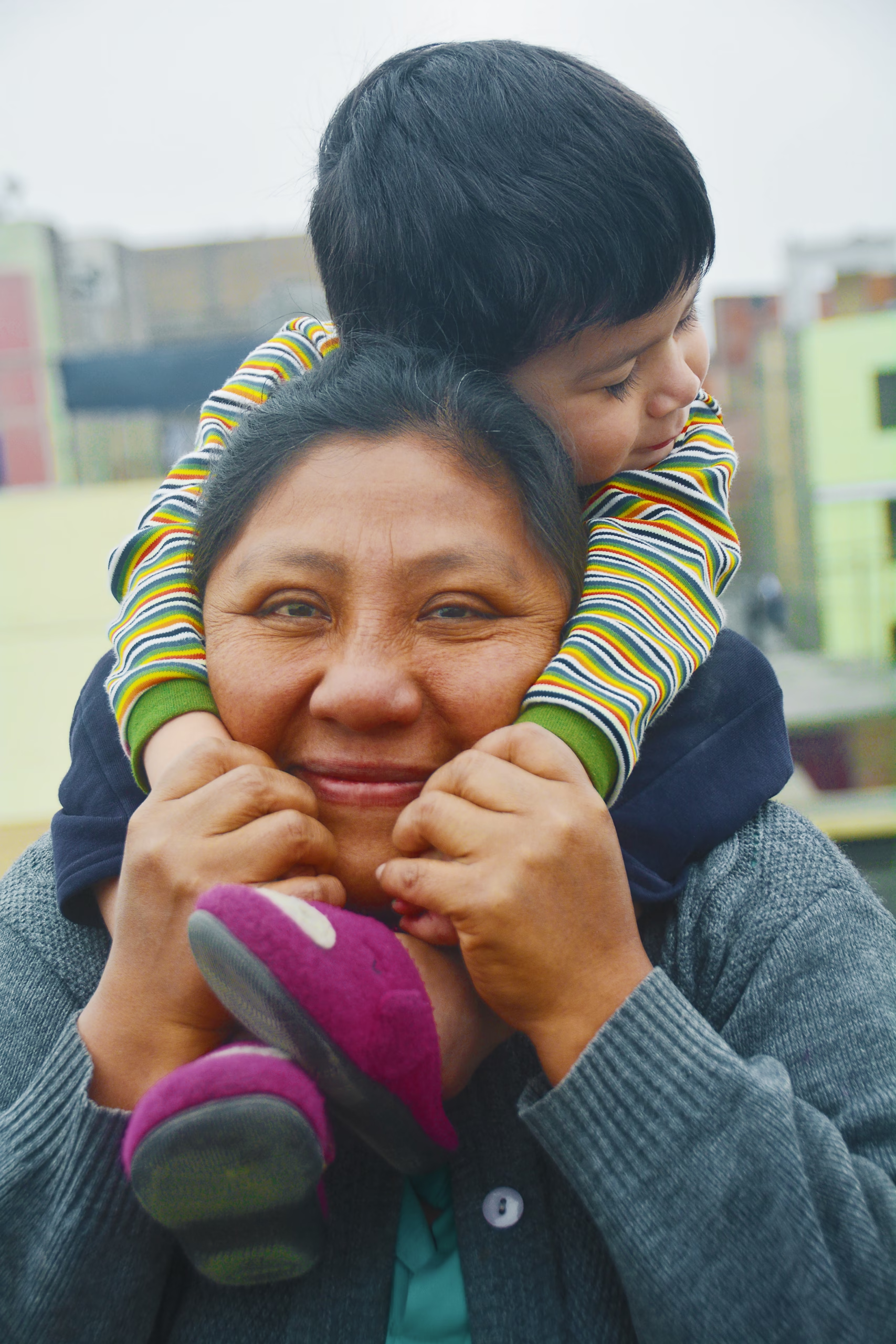
The holiday season is often described as a time of excitement, family, and celebration. For children being raised by relatives or kin, however, this time of year can bring many different feelings at once.
A child may be excited about Halloween, Thanksgiving, or upcoming winter celebrations while also missing a parent, sibling, home, or family tradition. They may wonder where they will spend the holidays, whether they will see someone they love, or why things can’t be the way they used to be.
Sometimes those big feelings show up through behavior rather than words. A child may become more irritable, emotional, withdrawn, clingy, or have difficulty with things they normally manage well. Instead of asking only, “What’s wrong with this behavior?” it can help to wonder, “What might this child be feeling or needing right now?”
Helping Children Prepare
A little preparation can go a long way toward helping children feel safe and connected.
- Talk about plans ahead of time. Let children know what will happen, where they will be, and who will be there.
- Keep routines when possible. Regular meals, bedtime routines, and familiar activities can provide comfort when other things are changing.
- Make room for mixed feelings. Children don’t have to choose between enjoying the present and missing someone from their past.
- Ask about traditions. A favorite food, movie, decoration, song, or activity may help a child maintain an important connection.
- Offer choices. Small choices—such as picking a pumpkin, choosing a dessert, or deciding which movie to watch—can help children feel included and give them a sense of control.
Most importantly, children need to know that all of their feelings are welcome. They can love the people caring for them now and still love and miss their parents and other family members.
 TBRI® Tip: Create Felt Safety
Children feel safer when they know what to expect. Before a celebration, visit, or change in routine, explain what will happen in simple terms. Let the child know who will be there, what the plan is, and what will happen afterward.
For example: “We’re going to Grandma’s at 3:00. We’ll eat dinner, play for a while, and then we’ll come home together.”
Predictability can help reduce anxiety—even when a child doesn’t tell us they’re worried.
Kinship Connection
Try asking:
“What are you looking forward to—and is there anything you’re worried about?”
Then give the child time to answer without immediately trying to fix the feeling.
Remember: A child can be excited about a celebration and still miss someone they love. Both feelings can be true.
Next month: More Than “Be Thankful”—Helping Children Experience Gratitude Without Pressure
If you have questions, please contact:
Penny Michel, Kinship Navigator:
pennym@familyess.org