Thanksgiving Day is almost here!
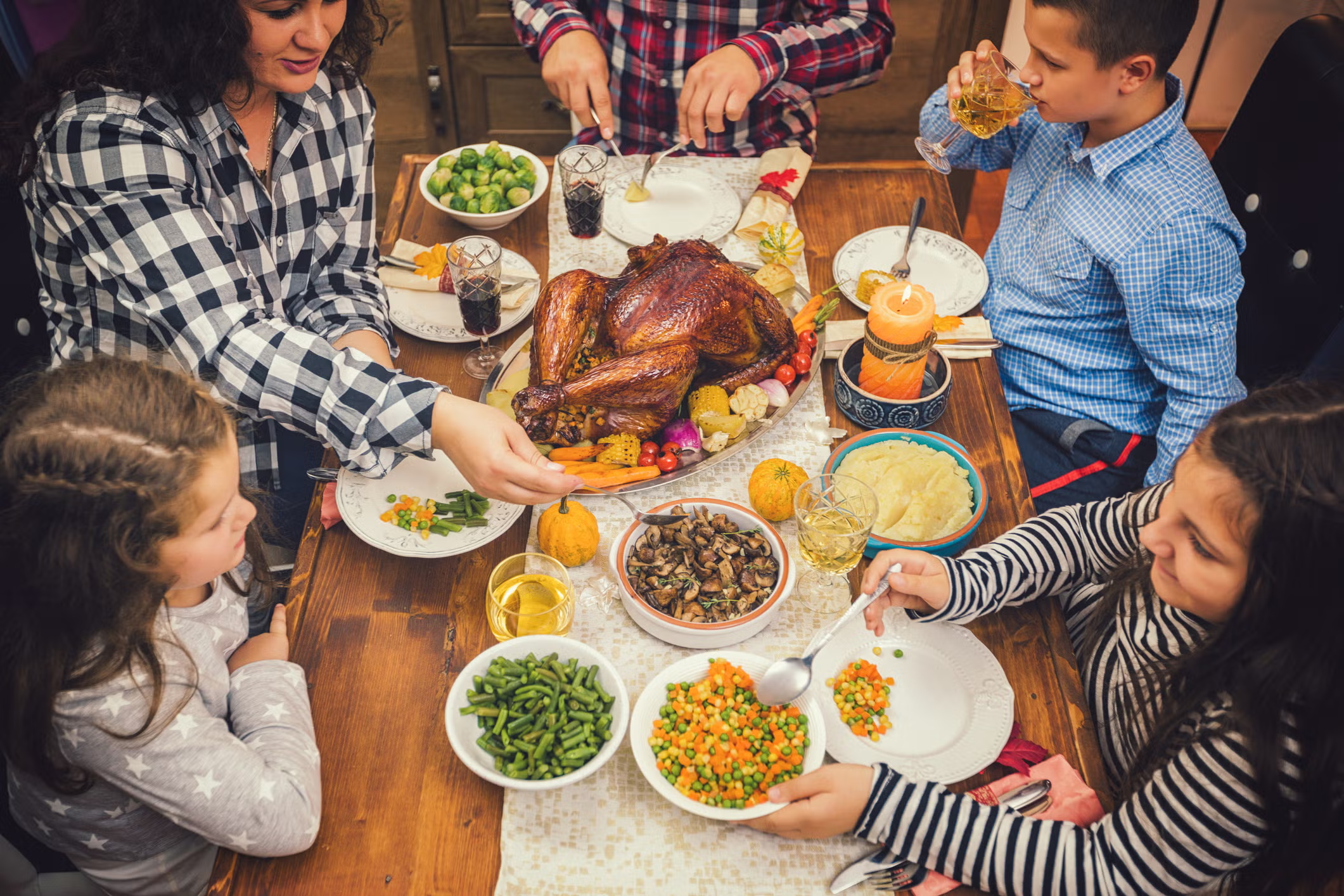
Thanksgiving Day is a wonderful opportunity to enjoy time with family and friends around the table, sharing a holiday meal with gratitude. It is also a day of multiple opportunities.
It can be an occasion to examine the gap between the popular first Thanksgiving myth and Indigenous history. We can find many intentional ways to observe the season. One could include educating ourselves and our children through reading local tribal specific history and books by Indigenous authors. Increasing awareness is a way to cultivate inclusiveness and understanding.
The gathering is also an opening for expanding your own family culture and pride. This happens naturally when the conversation around the table gives each person a chance to express personal gratitude. Stories of shared gratitude will certainly build your own family history, connection, and delight.
Each family has its own traditions, stories and expressions. Thanksgiving Day is a day for celebrating these gifts joyfully.
Happy Thanksgiving!
As always, if you have questions, contact
Anatha Atthar, Kinship Navigator: anatha@familyess.org

Connection Over Perfection—Creating Traditions That Fit Your Family
December can come with a lot of expectations. Decorations, gifts, school activities, family gatherings, travel, traditions, and celebrations can make the season exciting—but they can also make it overwhelming.
For kinship families, the holidays may look very different than they once did. Children may remember traditions from another home, miss people who aren’t present, or feel uncertain about visits and family gatherings. Caregivers may also feel pressure to make the holidays extra special because of everything a child has experienced.
But children don’t need a perfect holiday. They need connection, predictability, and opportunities to feel that they belong.
Creating Traditions Together
Consider asking children which traditions are important to them. There may be something from their past that can become part of your family’s celebration—a favorite food, movie, song, decoration, or activity.
You can also create something new together. New traditions don’t have to be elaborate or expensive. They might include:
• Driving around to look at holiday lights.
• Having hot chocolate and watching a favorite movie.
• Baking or decorating cookies together.
• Letting children choose a special meal.
• Playing games in pajamas.
• Making an ornament each year.
• Taking an annual family photo.
During busy celebrations, remember that children may also need breaks. Crowds, noise, unfamiliar people, changes in schedules, and lots of excitement can become overwhelming. A quiet space, familiar snack, short walk, or a few minutes with a trusted adult can help a child regroup.
And when plans change, explaining what will happen next can help children feel more secure.
 TBRI® Tip: Give Choices and Meet Needs
Busy holiday schedules can mean missed snacks, later bedtimes, long car rides, and overstimulation. Sometimes what looks like a behavior problem is a child who is hungry, thirsty, tired, overwhelmed, or needing connection.
Plan ahead with water and snacks, opportunities for movement, and breaks from busy activities. When possible, offer two appropriate choices:
“Would you like to sit with me for a few minutes or take a quiet break in the other room?”
Small choices can give children a sense of control when everything around them feels different.
Kinship Connection
Try asking:
“What’s one thing you’d like our family to do together this year?”
You may be surprised by how simple the answer is.
As the year comes to an end, give yourself permission to let go of the picture-perfect holiday. The most meaningful traditions are often the simplest ones.
Remember: Children may not remember whether everything went according to plan, but they are likely to remember how they felt—safe, included, valued, and connected.
Thank you for joining us for our three-part Creating Connection Through the Holidays series. We hope these simple ideas help your family find moments of connection throughout the season.
If you have questions, please contact:
Penny Michel, Kinship Navigator:
pennym@familyess.org